Archive of Peripheral Presence
A long-term study into an unconfirmed presence.



Current Status

| Confirmed sightings | 0 |
| Unconfirmed observations | 128 |
| Physical evidence | Under review |
Scope of Research
The Department documents recurring observations, environmental anomalies and reported forms of presence that cannot currently be assigned to known ecological sources. Records remain unclassified until sufficient comparative material is available.
We are not trying to prove that it exists. We are trying to become the kind of observers who would notice if it did.— from the Department's founding notesA recovered statement from the Department's founder →

Latest Field Notes
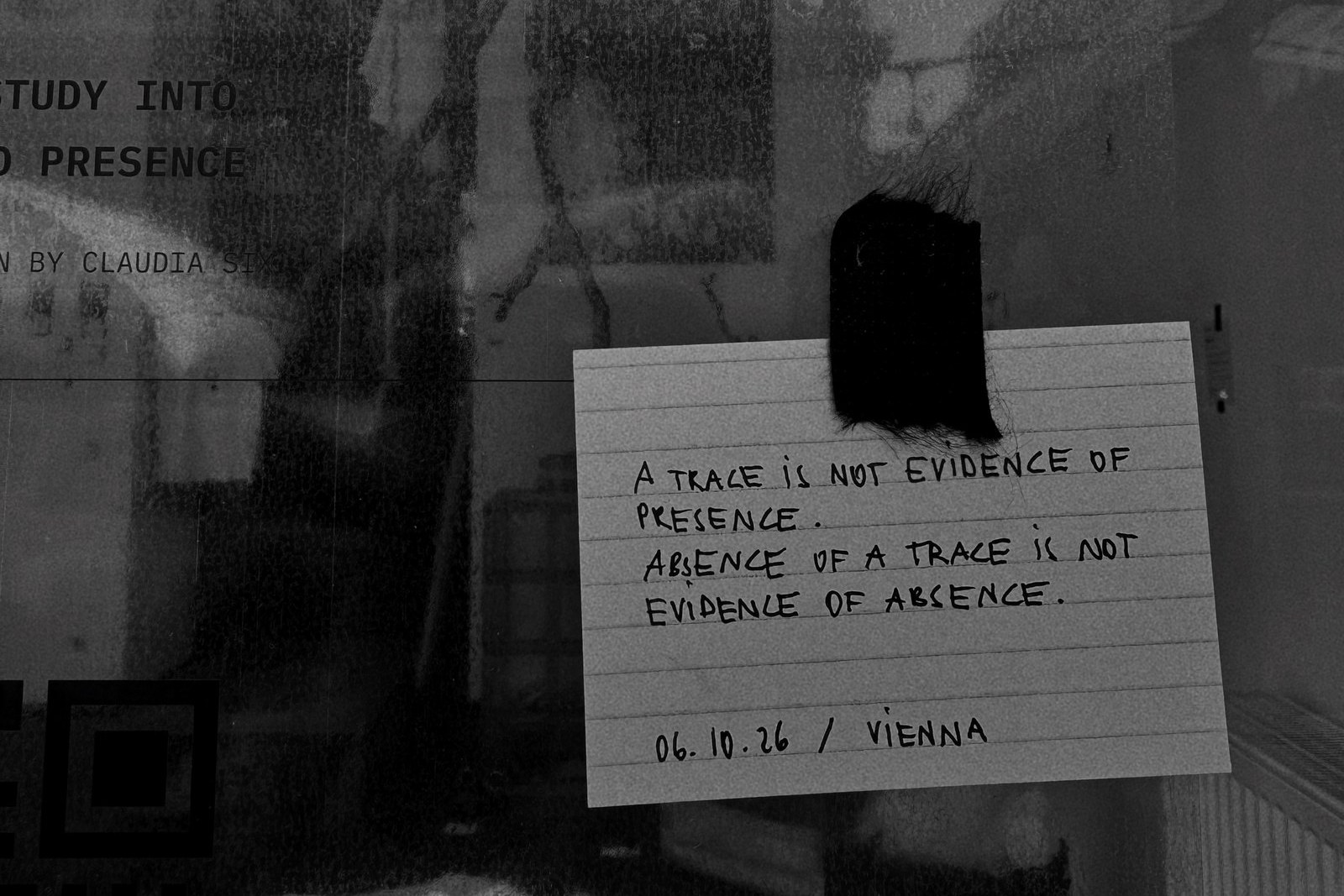
Exterior observation surface
Unclassified surface traces recorded during the final observation period.
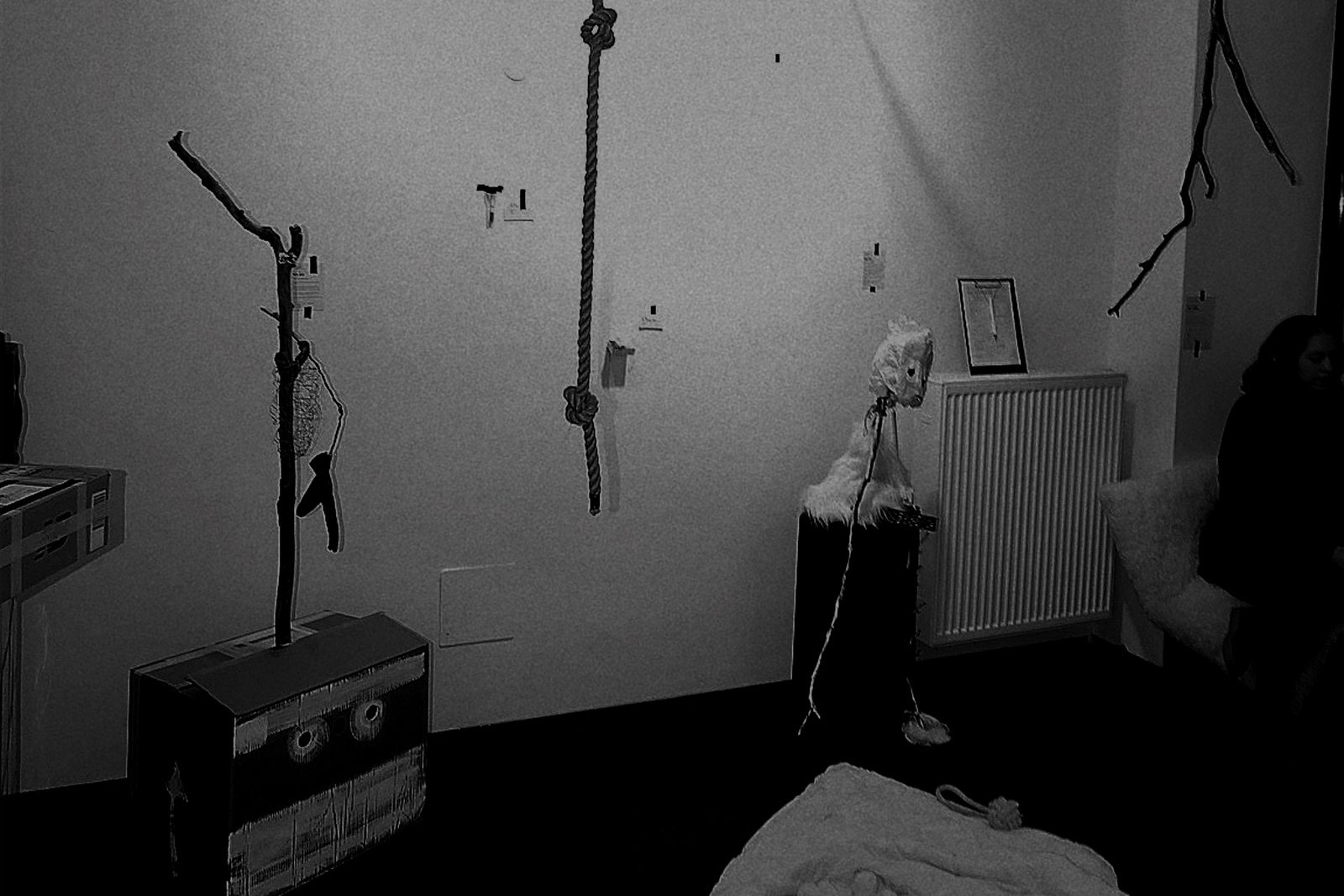
Test enclosure during active observation
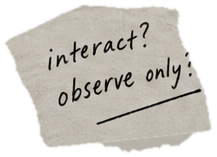
No direct interaction documented at time of recording.
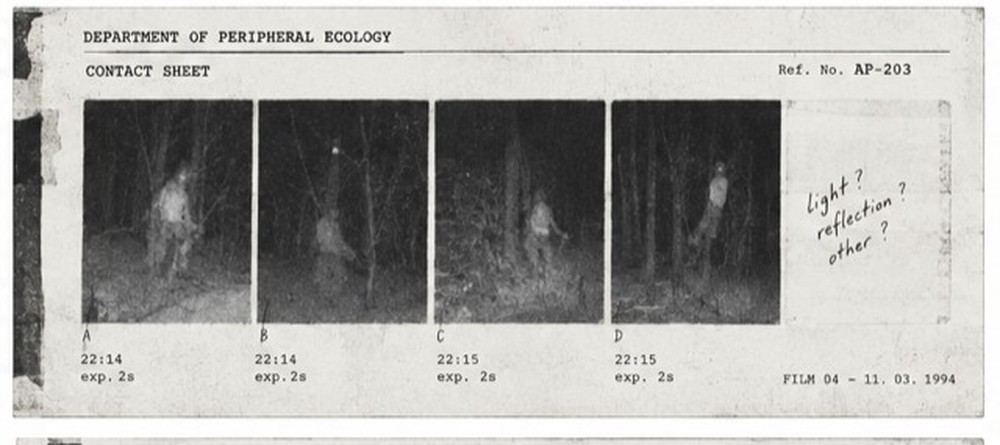
Movement logged on a resident's doorbell camera, 03:47 am
Footage inconclusive due to distance and lighting. Request submitted for the original file.
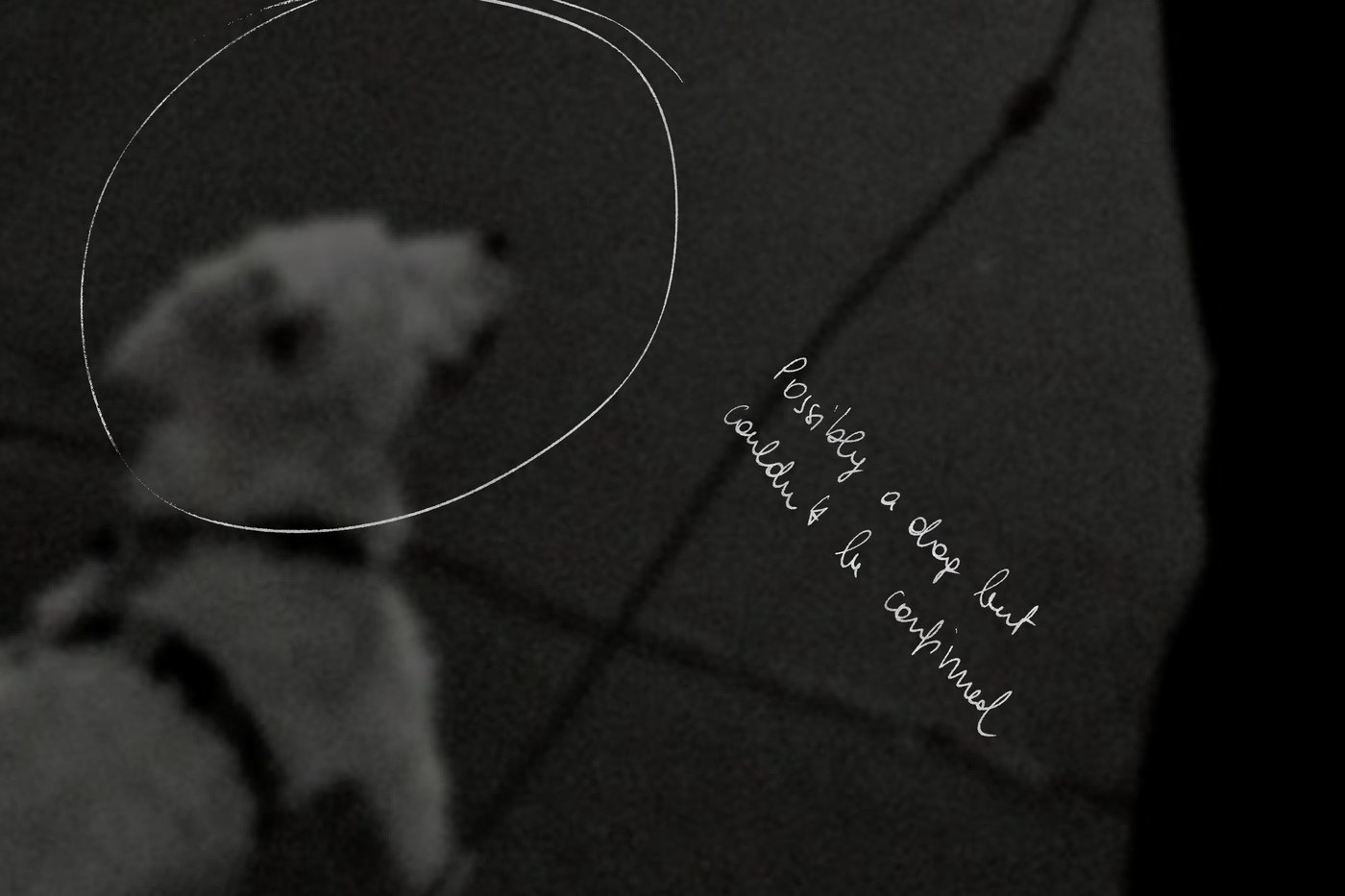
No activity recorded
Camera checked and reset. Nothing logged during the observation window.


Public Access
Selected material — field recordings, physical specimens, and archive documents — is available for viewing by appointment during the installation's final days.
| Status | By request |
| Next window | 7 October, 13:00–15:00 |
| Location | Culture Clubhouse, Burggasse 72, 1070 Wien |
Support the Research
The archive is maintained through independent public support. Publications, field guides and research materials contribute directly to the continuation of the project.